
Suparsa
A family place in Ubud.
Lived in first — and later opened to guests who feel comfortable
staying within an existing rhythm of daily life.
Most guests stay for three, five, or seven nights.
Their time unfolds gradually:
first orientation, then belief, then culture.
A place before accommodation
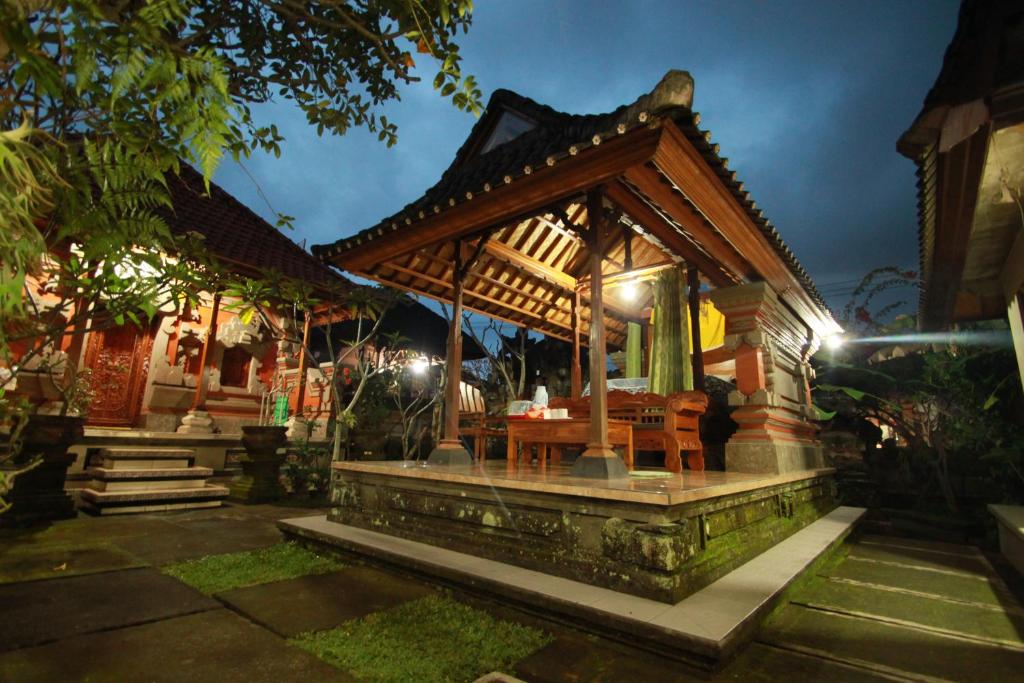
Suparsa began as a family compound. The spaces you move through today were shaped by daily routines, ceremonies, and shared responsibilities — not by hospitality concepts.
Mornings start early. Offerings are prepared, paths are swept, and small rituals take place quietly. Nothing is announced or performed.
Guests are not asked to participate. Presence alone is enough.
Who feels at ease here
Guests who value context
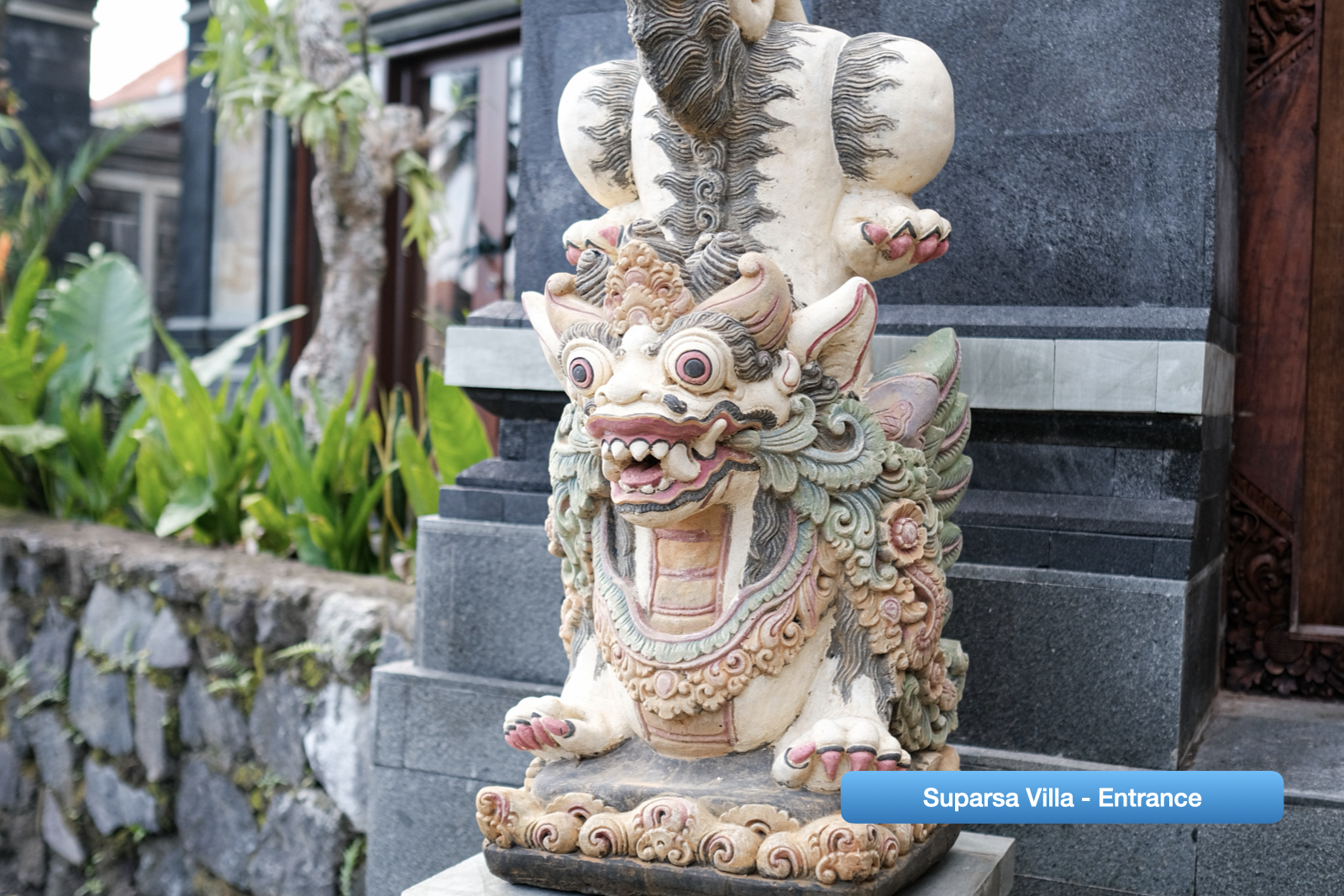
Suparsa suits travelers who are curious but unhurried. People who prefer explanation over spectacle, and rhythm over efficiency.
Some guests stay only a few nights. Others stay longer. What matters is not duration, but comfort with a slower tempo.
This is a place that stays consistent. It doesn’t change character to meet expectations.
How days unfold
Arrival days are intentionally light. There is time to settle in, walk the compound, and understand where you are.
Mornings are usually unplanned. Some guests read, some walk into Ubud, some stay close and watch life move through the courtyards.
Experience days are spaced out. They are never stacked back to back. Free days remain free.
Longer stays do not add pressure — they add space.
Staying within the family rhythm
Homestay
The homestay rooms are located inside the family compound itself. You pass through the same gates, walk the same stone paths, and share the same courtyard atmosphere as the family.
Daily life is present but not directed. You may hear soft conversation, a family member preparing offerings, a scooter arriving, or water being poured for plants. These are not moments staged for guests — they are simply normal life.
Rooms are private and enclosed, yet close to the compound rhythm. Guests often describe this as quietly grounding: you feel the place is alive, without having to be involved.
The homestay suits travelers who value proximity and authenticity, and who feel comfortable with natural sounds and shared outdoor spaces.
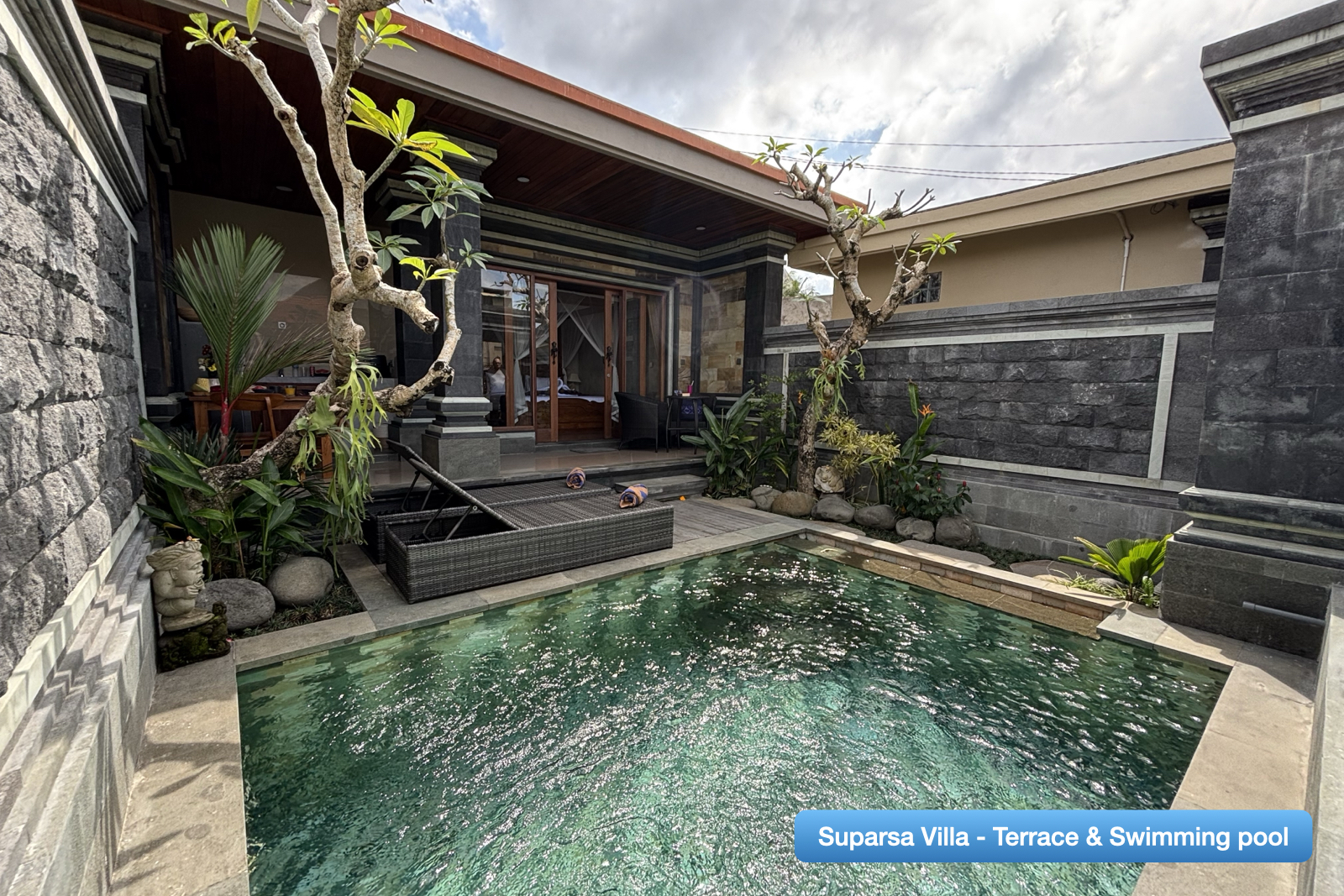
Villas
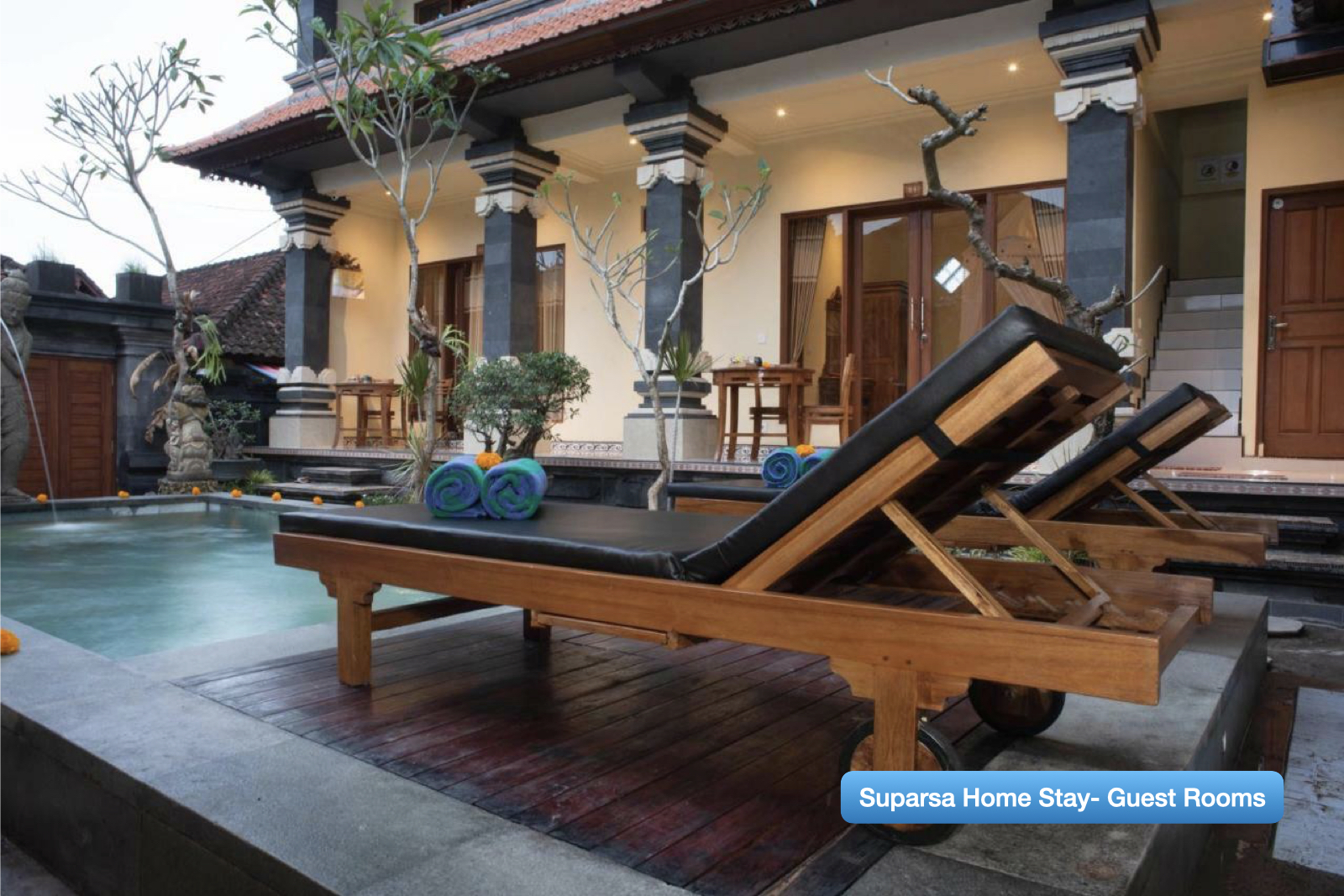
The villas offer more space and a clearer boundary between shared life and private time, while remaining connected to the same family environment.
Days tend to be quieter here. Guests often keep longer mornings, rest after experience days, or spend evenings reading and unwinding without the sense of being close to the household flow.
Villas suit guests who value calm evenings, longer stays, or extra privacy. The atmosphere remains the same — only the degree of distance changes.
What Suparsa is not
Suparsa is not a resort. There are no daily schedules, group briefings, or staged entertainment.
It is not a tour base. Guests are not moved from place to place to fill time, and experiences are not stacked day after day.
It is not a place that tries to be everything for everyone. It stays simple, human, and consistent.
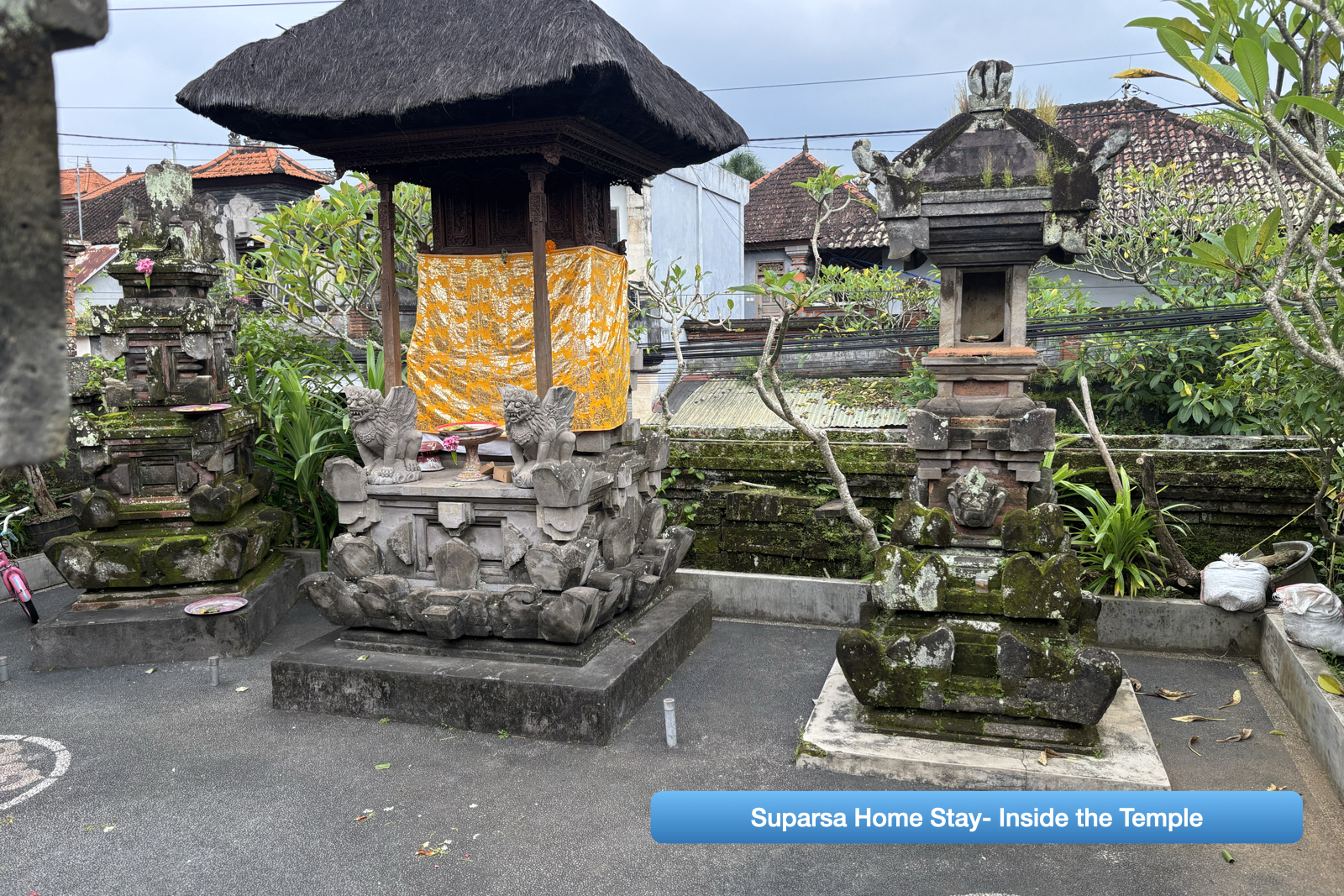
Family, belief and culture
The experiences offered at Suparsa focus on what benefits from closeness and explanation. They are guided personally by Putra, who grew up in this compound and knows the meaning behind what you see.
Shared days centre on family life, religious practice, and cultural skills — layers that are difficult to understand without local presence.
Other excursions such as Mount Batur, rafting, or adventure activities can be arranged separately. These experiences do not require Putra’s presence and are often better enjoyed independently, while Suparsa stays focused on experiences where human context truly matters.
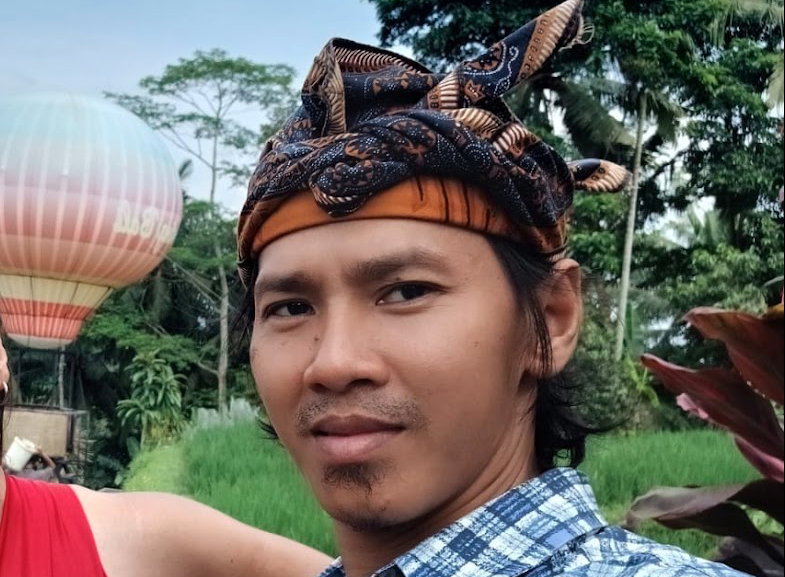
A shared time
Stays at Suparsa are shaped around people, belief, and everyday life. Planning begins with a simple conversation.
WhatsApp Putra